



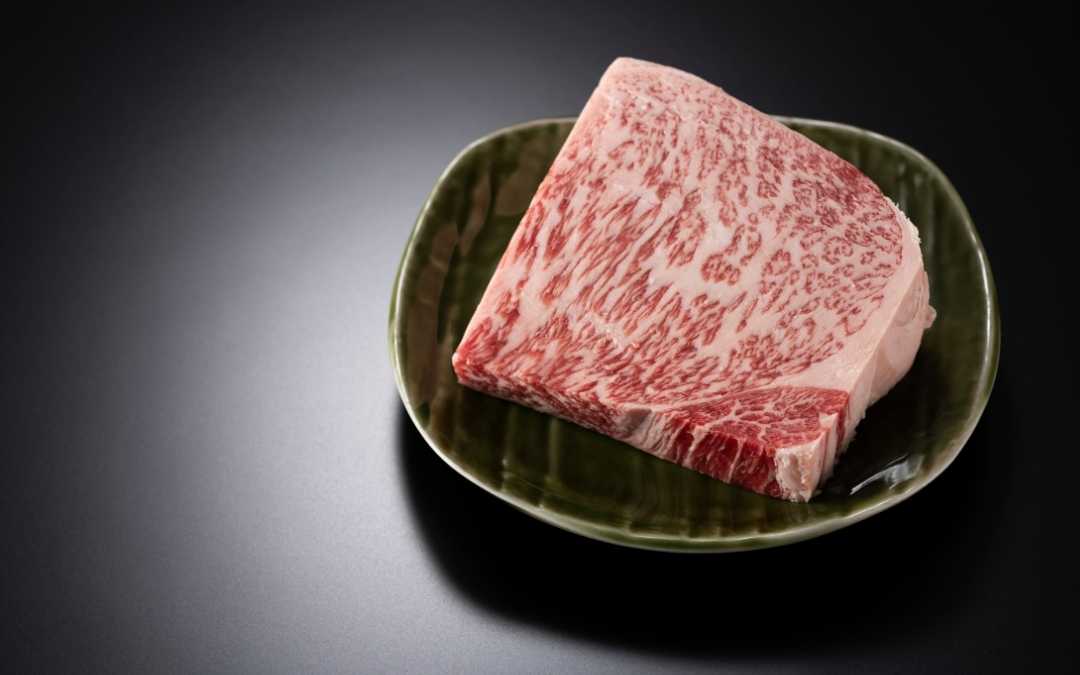
Wagyu beef has become one of the most recognized products in international gastronomy. Its appearance, marked by intense fat infiltration, and its exceptional texture have positioned it as a highly valued product both in the restaurant industry and among meat lovers.
However, behind the name Wagyu, there is much more than just premium meat. Concepts such as breed, origin, or certifications are often confused, which can generate doubts when choosing a product. Therefore, knowing what truly defines Wagyu beef is essential to assess its quality and understand why it is so appreciated.
What Does Wagyu Really Mean?
Wagyu is a Japanese word formed by Wa (Japan) and Gyu (bovine), and it refers to cattle breeds originating from Japan. Therefore, Wagyu is not a commercial designation or a way of fattening animals, but a breed with very specific genetic characteristics.
The most distinctive trait of these breeds is their natural ability to develop high intramuscular fat infiltration, popularly known as marbling. This characteristic contributes to obtaining a meat that is especially tender, juicy, and has a texture highly prized in haute cuisine.
Over the years, the Wagyu breed has also been raised outside of Japan, maintaining many of its original characteristics, but under different production systems and regulations.
Breed, Origin, and Certification: Three Concepts to Differentiate
When talking about Wagyu, it is common to think that all the meat is Japanese, but this is not always the case. Currently, there are Wagyu farms in countries such as Australia, the United States, or various European countries, which work with this same breed or with authorized crosses.
For this reason, it is important to distinguish between three different concepts.
Breed refers to the animal’s genetics. Origin indicates the country where the meat was raised and produced. Finally, certification accredits that the product meets certain requirements established by the competent bodies, especially in the case of Japanese Wagyu.
Knowing this difference allows for a better interpretation of product labeling and an understanding of what the professional is actually acquiring.
Fat Infiltration: The Great Differentiating Feature
One of the best-known characteristics of Wagyu is its spectacular marbling. These small streaks of fat distributed within the muscle are a consequence of the breed’s own genetics and are part of its identity.
During cooking, this fat melts progressively and contributes to providing an especially tender texture and a great sensation of succulence.
However, it is important to remember that higher infiltration does not necessarily mean that a meat is better for any preparation. The chosen cut, the cooking technique, and the gastronomic experience sought continue to be determining factors.
How Is Wagyu Quality Interpreted?
Wagyu quality is assessed using different systems depending on the country of origin.
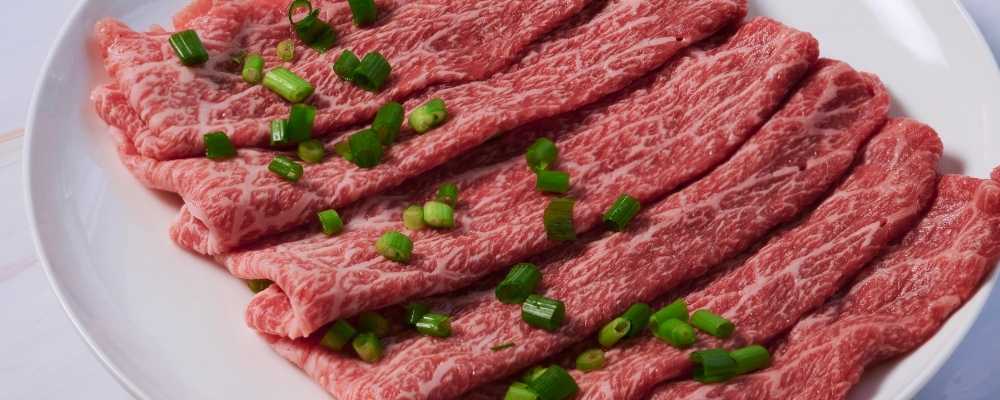
In the case of Japanese Wagyu, an official system is used that takes into account aspects such as carcass yield and meat quality. Among the criteria assessed are the degree of marbling, the color of the meat, the color and quality of the fat, as well as the texture of the muscle fiber.
This classification allows for the differentiation of pieces with very diverse characteristics and guarantees objective quality standards.
Other producing countries also have their own classification systems, which may vary according to the regulations and criteria of each market.
Japanese Wagyu and Wagyu from Other Origins
It is currently possible to find Wagyu beef from different countries. Despite sharing the same genetic base or working with similar breed lines, each origin presents particularities derived from the rearing system, diet, climate, and production regulations.
Japanese Wagyu is subject to very strict controls and has specific certifications that guarantee its origin and traceability.
At the same time, countries like Australia have developed a Wagyu production widely recognized by the international market, offering high-quality meats adapted to different gastronomic profiles.
Therefore, rather than looking for a single origin, it is important to value each product for the set of its characteristics and for the needs of each professional kitchen.
Wagyu in Professional Catering
Wagyu beef has become a very interesting option for restaurants looking to offer a distinctive gastronomic proposal.
Its organoleptic profile means it is often presented in smaller portions than other types of meat, allowing the quality of the product to be highlighted and creating exclusive gastronomic experiences.
Selecting the right cut, adapting the cooking, and choosing the most convenient format are aspects that contribute to obtaining the maximum yield from the product.
The Importance of Working with a Specialized Distributor
In a product as highly valued as Wagyu, knowing its origin and traceability is fundamental.
Working with a specialized distributor ensures information about the product’s origin, its characteristics, and the most suitable format for every professional need.
At Carns Milà, we work with a selection of premium meats designed for the HORECA sector, offering advice so that each restaurant can choose the product that best suits its gastronomic proposal.
Wagyu Is Much More Than a Premium Meat
When talking about Wagyu, we are not just talking about meat with high fat infiltration. We are also talking about genetics, traceability, classification systems, and a way of understanding quality based on the control of the entire process.
At Carns Milà, we work with a selection of imported meats designed for the HORECA sector, including various Wagyu references. Discover our range of products and find the option that best suits your gastronomic proposal.
👉 Check our product catalog.