



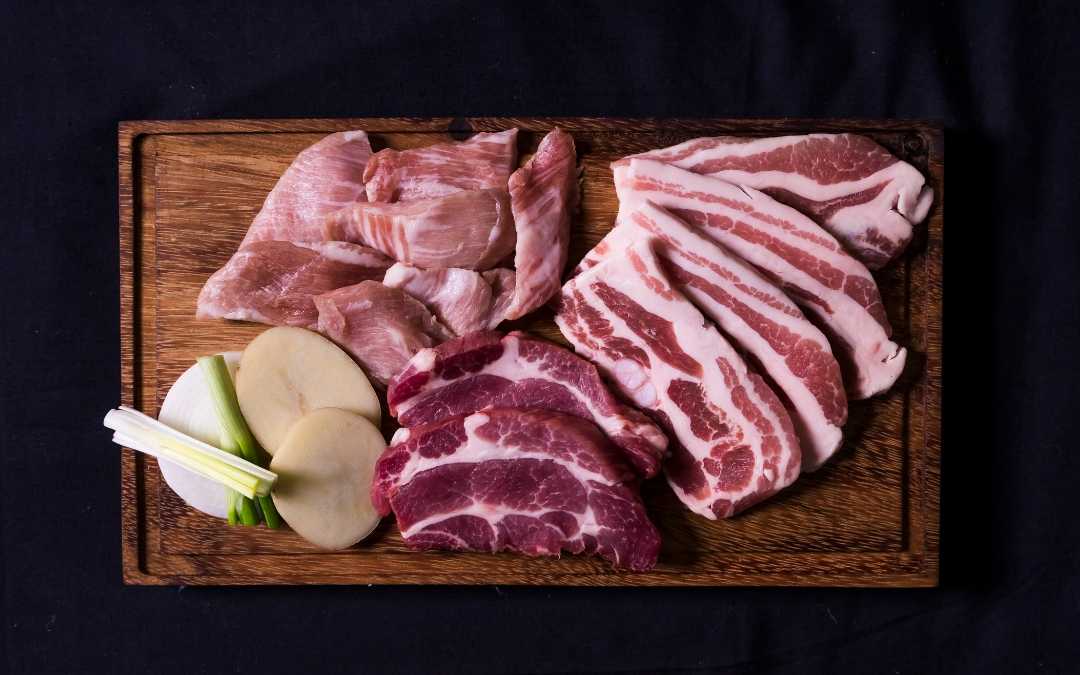
Identifying a good cut of meat is a skill that goes far beyond knowing a specific cut or breed. In the professional catering sector, knowing how to visually interpret a cut before cooking it is a very valuable tool for anticipating its behavior in the kitchen and better understanding its characteristics. Aspects such as color, fat presence, or the degree of marbling provide relevant information about the cut and can help in making more informed decisions when selecting the product.
However, it is important to understand that these indicators alone do not determine the quality of a meat. Factors such as the breed, the animal’s age, diet, maturation process, or subsequent handling also have a direct influence on the final result. Nevertheless, a proper observation of the cut provides very useful clues for professionals who regularly work with meat.
The color of meat: a first visual indicator
Color is probably the first element we observe when we have a cut of meat in front of us. In the case of veal and beef, the shades can naturally vary according to different factors such as the animal’s age, its physical activity, or the time elapsed since slaughter.
In general, veal tends to present lighter red tones, while cuts from older animals usually show more intense and deeper colors. This fact does not necessarily imply greater or lesser quality, but rather responds to biological characteristics related to muscle development.
It is also common for the color to evolve slightly when the meat comes into contact with oxygen. This entirely natural process is part of the normal behavior of fresh meat and should not be confused with product deterioration.
Fat: much more than a visual element
For many years, fat was considered only a part to be removed. Today, however, catering professionals know that it plays a fundamental role in the gastronomic experience.
Fat contributes to protecting the cut during cooking, helps preserve succulence, and actively participates in the perception of flavor. Its quantity, distribution, and appearance can vary according to breed, diet, and type of cut.
For cuts intended for grilling or intense cooking, an adequate presence of fat can promote a more complete gastronomic experience. During cooking, this fat gradually melts and contributes to enhancing the organoleptic characteristics of the product.
For this reason, many of the most appreciated cuts in professional catering present a significant amount of external or intramuscular fat.
Fat marbling and intramuscular fat
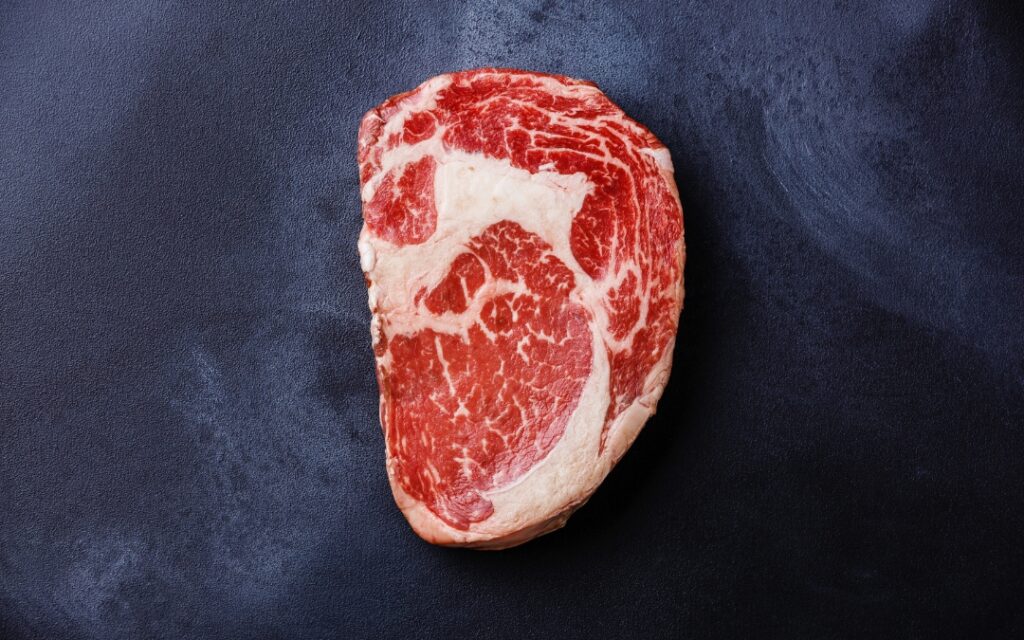
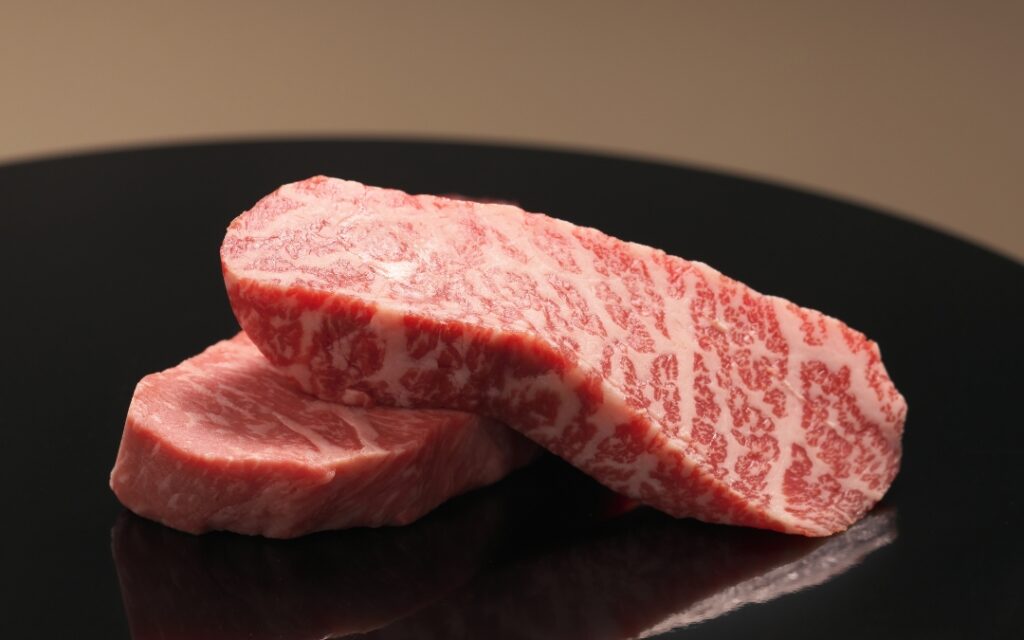
When talking about premium meats, one of the most frequently appearing concepts is marbling or fat infiltration.
This term refers to the small streaks of fat that are naturally distributed within the muscle. This marbling is especially visible in breeds renowned for their gastronomic quality, such as Angus or Wagyu, although it can also be found in many other breeds and origins.
Marbling is valued because it contributes to the sensation of tenderness and the perception of succulence during consumption. Furthermore, during cooking, these small fat reserves gradually melt and interact with the muscle fibers.
It should be noted, however, that greater marbling does not necessarily imply that a cut is better in every situation. The type of cuisine, the selected cut, and the experience sought for the client also condition the final assessment of the product.
Fiber structure also provides information
Another element that professionals usually observe is the structure of the muscle fiber. Depending on the type of cut and the function the muscle performed during the animal’s life, the fiber can present different characteristics.
Some cuts show a finer and more homogeneous structure, while others present more marked fibers. These differences can influence the perceived texture during consumption and also the meat’s response to certain cooking techniques.
For this reason, the visual reading of a cut usually combines several factors at once. Color, fat, marbling, and muscle structure are part of a set of indicators that help to better understand the product.
Experience and knowledge remain crucial
Although visual observation provides very valuable information, the assessment of a cut of meat requires experience and knowledge of the product. Professionals in catering and meat distribution work daily with multiple variables that influence the final behavior of the meat.
That is why it is important to have specialized suppliers who know the origin of the product, its characteristics, and the specific needs of each client. This information allows for the selection of the most suitable cuts according to the type of cuisine, the service system, and the gastronomic experience desired.
Learning to interpret meat helps make better decisions
Knowing how to read a cut of meat is an increasingly valued skill in professional catering. Understanding what color, fat, marbling, or fiber structure indicate allows for a better understanding of the product and working with it more effectively.
At Carns Milà, we work daily with HORECA sector professionals, helping them select the cuts that best suit their needs, providing knowledge, experience, and a wide variety of products designed for professional catering.
Do you want to better understand the characteristics of each cut and find the most suitable one for your kitchen? Contact our team.