



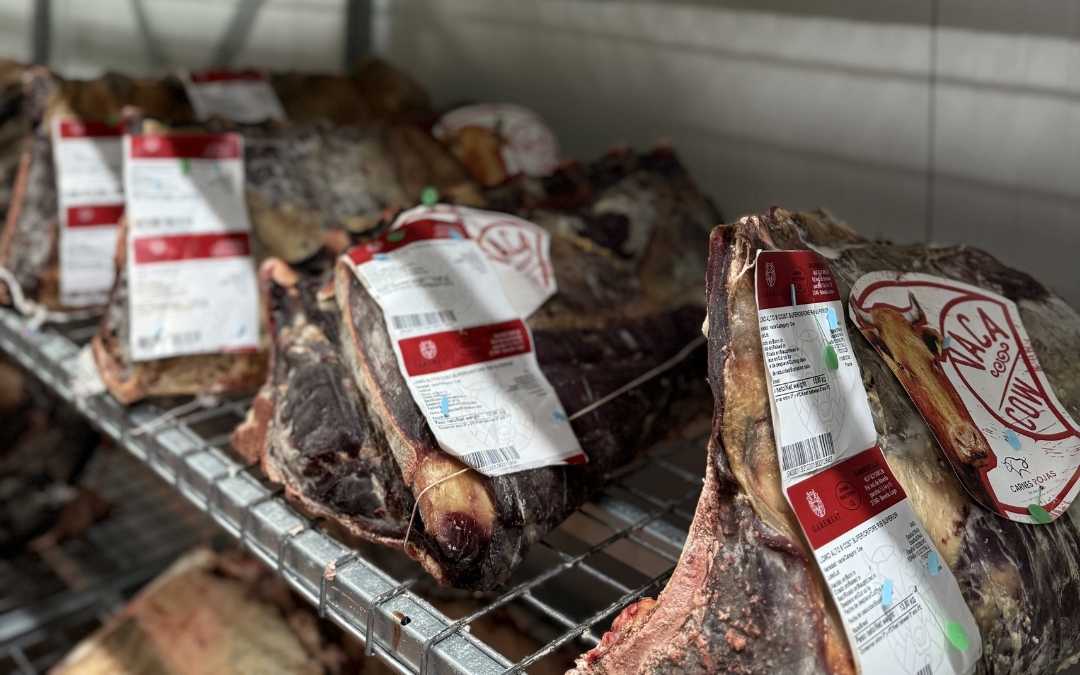
Meat maturation has become one of the most valued processes in professional catering. More and more restaurants are opting for matured meats to offer a distinctive gastronomic experience, with greater flavor intensity, improved texture, and a product with high perceived value.
However, maturation is not just a gastronomic matter. It also affects the meat’s behavior in the kitchen, the yield of the cut, and how it is handled during service.
Understanding how this process works helps catering professionals better choose products according to the type of culinary proposal and the experience they wish to offer their clients.
What is Meat Maturation?
Maturation is a controlled process during which meat rests under specific conditions of temperature, humidity, and ventilation.
During this time, the natural enzymes in the cut act on the muscle fibers, progressively modifying the meat’s texture and flavor.
This process allows for obtaining more tender meat, with greater aromatic depth and a very characteristic taste intensity.
Maturation is especially common in premium beef and veal cuts intended for restaurants specializing in grilling and gourmet cuisine.
How Does Maturation Affect Flavor?
One of the most evident changes is flavor.
As meat matures, a natural concentration of flavors occurs, along with an aromatic evolution that adds greater complexity to the product.
Matured meats typically exhibit:
- More intense flavors
- Deeper and more persistent notes
- Greater aromatic complexity
- More gastronomic personality
This profile is especially valued in restaurants seeking to differentiate themselves through their products.
For grilling, for example, maturation further enhances the nuances of the meat and creates a much more intense experience on the palate.
Texture: One of the Major Differences
Maturation also modifies the texture of the cut.
Over time, muscle fibers relax, and the meat gains tenderness. This results in a more pleasant bite and an improved mouthfeel.
When the process is well-controlled, the result is meat that is:
- More tender
- More succulent
- Better response during cooking
- More pleasant to cut
For this reason, many professional kitchens opt for matured cuts in preparations where the product is the main protagonist.
Maturation and Performance in Professional Kitchens
Beyond flavor and texture, maturation also has significant implications for daily kitchen operations. Matured cuts tend to behave more stably during cooking, especially with techniques like grilling, griddling, or using a Josper oven. This stability allows professionals to have better control over the cooking point and achieve more consistent results during service, a key aspect in professional catering.
Furthermore, matured meat offers a more complete gastronomic experience, both for its flavor and its visual presentation on the plate, a factor especially valued in premium and meat-specialized restaurants.
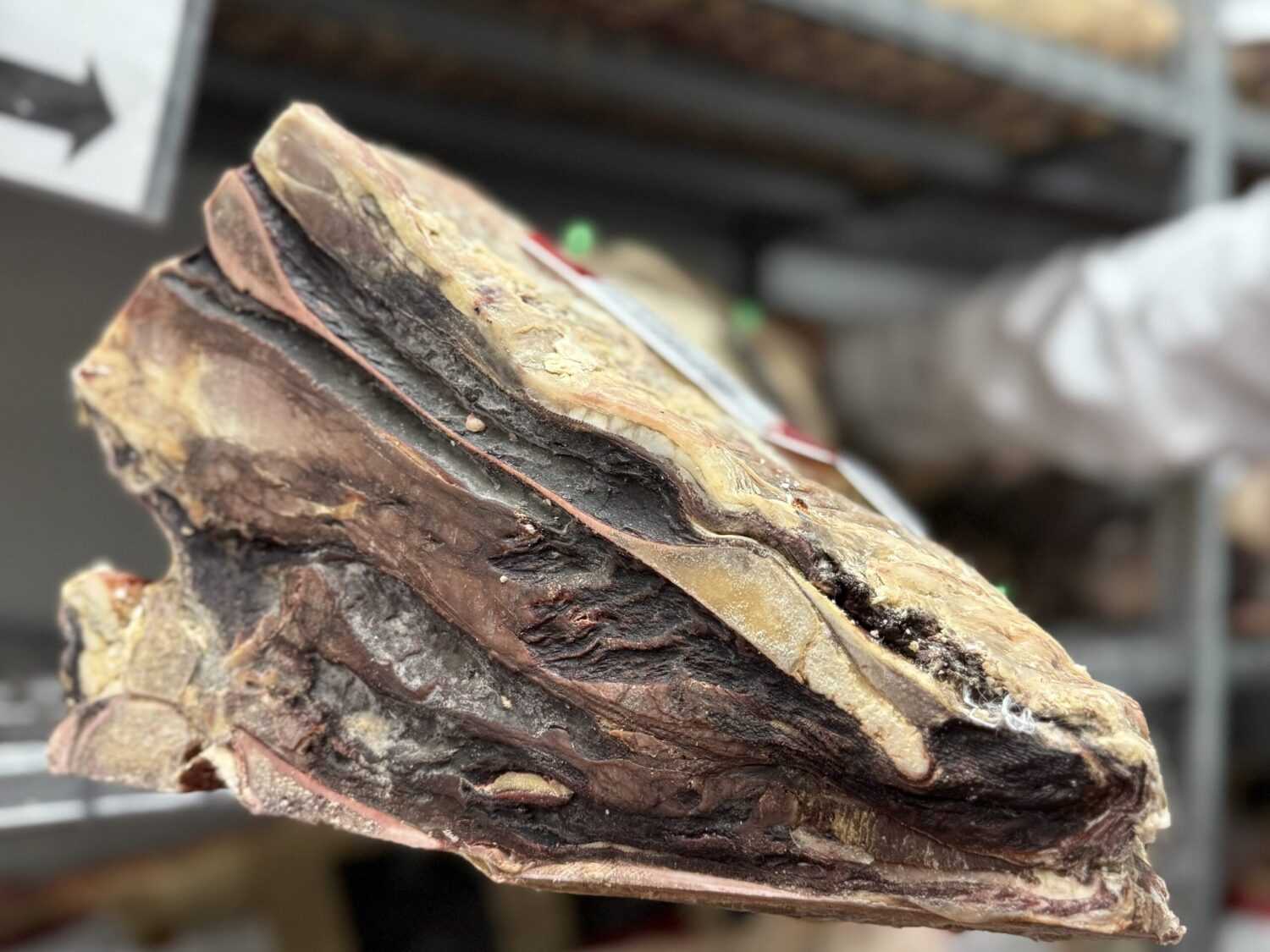
Which Cuts Are Ideal for Maturation?
Not all cuts respond equally to the maturation process. The most suitable ones tend to be large cuts with good fat marbling and a consistent muscle structure, as this allows for a more interesting evolution in both flavor and texture.
Among the most valued cuts are the T-bone steak (chuletón), ribeye (llom alt), sirloin (entrecot), bone-in rib, or various premium mid-loin cuts, widely used in restaurants specializing in grilling and gourmet cuisine.
At Carns Milà, we work with selected meats specifically chosen for restaurants seeking premium products and distinctive gastronomic experiences.
The Importance of Control During Maturation
Maturation is a delicate process that requires control, experience, and technical knowledge. Factors such as temperature, humidity, ventilation, and maturation time directly influence the final result of the cut and its gastronomic evolution.
Therefore, it is essential to work with specialized suppliers who guarantee proper product management throughout the entire process. When maturation is adequately controlled, the result is balanced, safe meats with a much richer and more distinctive gastronomic profile.
Why Are More and More Restaurants Opting for Matured Meat?
Today’s catering industry seeks more distinctive experiences and products with their own identity.
Matured meat offers:
- Gastronomic value
- Differentiation on the menu
- Flavor intensity
- Better customer experience
- Premium product with high perceived value
Due to this, it is increasingly common to find matured cuts in restaurants specializing in grilling, steakhouses, and gourmet cuisine.
Maturation as a Differentiating Factor in Catering
Maturation transforms meat, turning it into a product with greater depth, more personality, and enhanced gastronomic potential.
When the process is handled correctly, the result is meat with improved texture, enhanced flavor, and a significant impact in professional kitchens.
At Carns Milà, we work with selected meats and premium cuts designed for restaurants seeking quality, consistency, and gastronomic differentiation.
Do you want to incorporate matured meat into your professional kitchen? Contact our team, and we will advise you.