



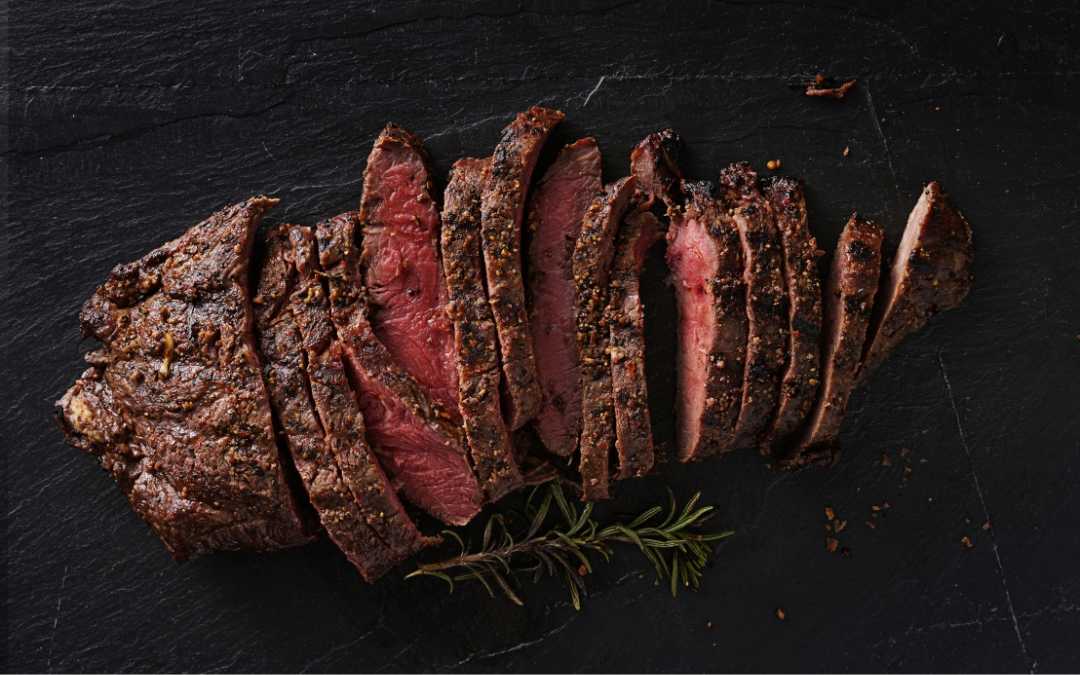
The selection of meat is one of the most decisive factors in any professional kitchen. It not only influences the final flavor of the dish, but also the product yield, service consistency, time management in the kitchen, and cost control. An inadequate decision in this area can lead to operational tensions, financial losses, and an inconsistent experience for the end customer.
Despite this importance, many restaurants still make decisions about meat products based on partial criteria, such as price or short-term availability. At Carns Milà, we regularly work with hospitality professionals who want to strengthen their menu and gain confidence in decision-making. Identifying recurring mistakes and understanding how to avoid them is key to building a solid, coherent, and sustainable gastronomic proposal in the long term.
Mistake 1: prioritizing price over real yield
One of the most common mistakes is evaluating meat solely by its price per kilo. An apparently competitive cost can be misleading if the product suffers significant losses during aging, portioning, or cooking, directly affecting final profitability.
In the professional kitchen, the key factor is the real product yield. What portion of the cut actually reaches the plate? Does it retain its weight and juiciness after cooking? Does it perform consistently, service after service? These are the questions that should guide any decision.
When price becomes the only criterion, problems with consistency, quality, and cost control often arise, directly impacting the operation and viability of the business.
Mistake 2: not adapting the product to the cooking technique
Not all meats respond the same way to every technique. A frequent mistake is choosing an attractive cut that is not well suited to the restaurant’s main cooking technique.
In the professional kitchen, factors such as muscle fiber, fat infiltration, and cut thickness determine how the product will react on the grill, griddle, in the oven, or during slow cooking. Ignoring these aspects can lead to a loss of juiciness, difficulties in controlling the optimal doneness, and inconsistent results during service.
Choosing meats adapted to the kitchen’s way of working makes the team’s job easier and ensures a more consistent experience for the customer.
Mistake 3: frequently changing suppliers without clear criteria
The lack of continuity with a supplier is another common mistake in the professional kitchen. Frequently changing references can lead to variations in cutting, aging, and the product’s behavior in the kitchen, forcing the team to constantly adapt.
Working with a specialized supplier such as Carns Milà ensures consistency, traceability, and a deep understanding of the product. In addition, relying on established brands like Argentine beef Tierra de Campeones guarantees a stable and recognizable experience on the plate, especially in grill and barbecue concepts.
A solid relationship with the supplier enables more precise decisions aligned with the pace of service and the restaurant’s objectives.
Mistake 4: not knowing the origin or traceability
Knowing the origin of the meat is essential. Understanding how the animal was raised, what it was fed, and the controls it went through along the supply chain provides confidence for both the professional and the end customer.
The origin, breed, and feeding directly influence flavor, texture, and cooking behavior. Integrating this information into the menu helps build a coherent narrative and reinforces the perception of quality.
In a context where customers are increasingly demanding, traceability is a key element of trust.
Mistake 5: not tasting the product before adding it to the menu
Selecting meats solely based on a technical data sheet or a commercial description is a common mistake. Tasting the product allows you to verify whether that cut truly performs under professional kitchen conditions.
Seeing and tasting the meat helps assess juiciness, flavor, the optimal point of doneness, and plate yield. This step is especially important when introducing new cuts or new origins.
For this reason, at Carns Milà we have our own showroom where professionals can see, compare, and taste the meats before making a decision, ensuring that the final selection is tailored to the kitchen’s style and the restaurant’s service.
How to improve meat selection in the professional kitchen
Avoiding these mistakes does not require major changes, but rather clear criteria, knowledge, and professional guidance. Analyzing the real product yield, understanding its behavior in the kitchen, and committing to consistency are key steps to improving results.
At Carns Milà, we work alongside restaurants, hotels, and grills to help them define the best meat selection, offering carefully selected products, clear traceability, technical advice, and a showroom designed to support well-informed decisions.
If you want to review how you are working with meat products and make sure you are avoiding these common mistakes, get in touch with our team. We will support you so that every decision adds value and your professional kitchen gains in solidity, coherence, and profitability.